All of our laser safety training is now available online

Protection Materials
Materials Behind Protected Visibility
FLOMC provides transparent protection materials for equipment viewing windows, machine guarding panels, cleanroom structures, laser protection areas, and controlled industrial environments.
Request a Quote
Teamwork
Materials Chosen by Risk Visibility, and Structure
Transparent protection materials are not selected by transparency alone. In real equipment environments, each panel may need to resist impact, support safe viewing, reduce surface damage, control static buildup, withstand cleaning, or meet wavelength-specific protection requirements.
FLOMC evaluates these requirements together with the final installation structure including viewing position, frame design, enclosure layout, and operating conditions, so the selected material can support both protection and usable visibility.
Material Role
Material Roles in Protected Visibility
Each material plays a different role in how a viewing area protects, performs, and remains usable over time. In real equipment structures, one viewing area may depend on impact-resistant polycarbonate, while another may require laser-safe glazing, anti-static surfaces, hard-coated durability, optical control, or clean-environment stability.
FLOMC organizes these material options around how the panel is used, what it must protect against, and how visibility needs to perform over time.
-
 Surface DurabilityHard-coated materials help viewing surfaces resist scratching, abrasion, and repeated cleaning damage over long-term use.Explore
 -
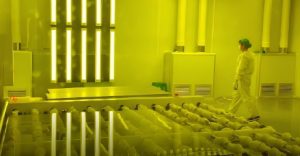
 Impact ResistanceTransparent panels that protect against impact, vibration, and mechanical stress while keeping equipment viewing areas usable.Explore
 -
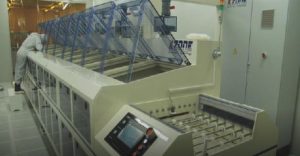
 Laser-Safe ViewingWavelength-matched protection materials support safe visual access into active laser equipment areas.Explore
 -
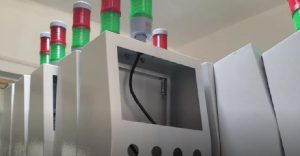
 Static ControlAnti-static and ESD-safe materials help reduce dust attraction and static-related risks in sensitive environments.Explore
 -
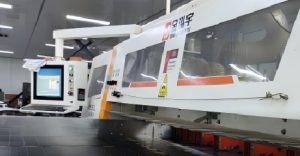
 Optical ControlOptical-control materials help manage glare, reflection, haze, and viewing comfort through protective panels.Explore
 -
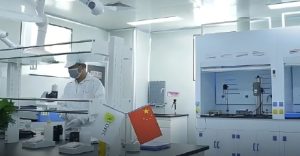
 Monitoring AreasTransparent materials selected for cleanability, surface stability, sealing conditions, and long-term environmental fit.Explore
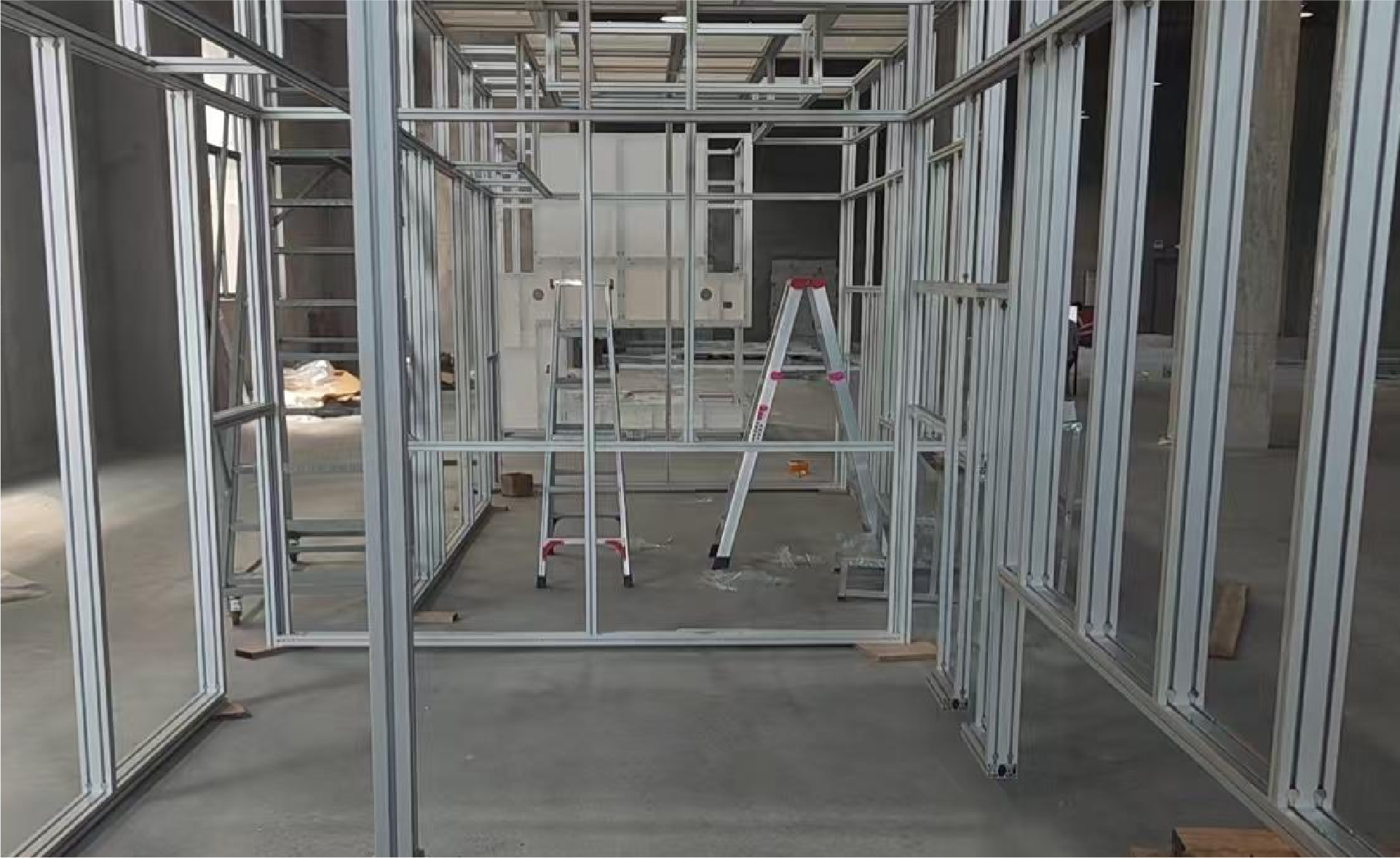
Engineering Overview
Matching Materials to Equipment Conditions
Different equipment conditions place different demands on transparent protection materials. A machine guard, laser window, cleanroom panel, or inspection cover may all require visibility and protection, but each one calls for a different material direction.
FLOMC matches material selection to impact risk, laser wavelength, cleaning frequency, static sensitivity, lighting condition, and installation structure.
| Equipment Condition | Material Focus | Common Direction |
|---|---|---|
| Machine guarding areas | Impact resistance, structural fit, usable visibility |
Impact-resistant PC, hard-coated PC |
| Laser equipment areas | Wavelength-specific protection, OD rating, safe viewing |
Laser protection panels, laser-safe viewing windows |
| Clean or dust-sensitive environments | Static control, cleanability, reduced dust attraction |
Anti-static PC/PMMA, ESD-safe transparent panels |
| Inspection and monitoring positions | Optical clarity, low glare, stable visual access |
AR, AG, optical-control transparent panels |
| Frequently cleaned surfaces | Scratch resistance, surface durability, cleaning stability |
Hard-coated transparent panels |
| Enclosed equipment structures | Frame fit, sealing method, long-term protection |
Custom transparent panels, viewing assemblies |
Mounting Structure
From Material Selection to Installed Structures
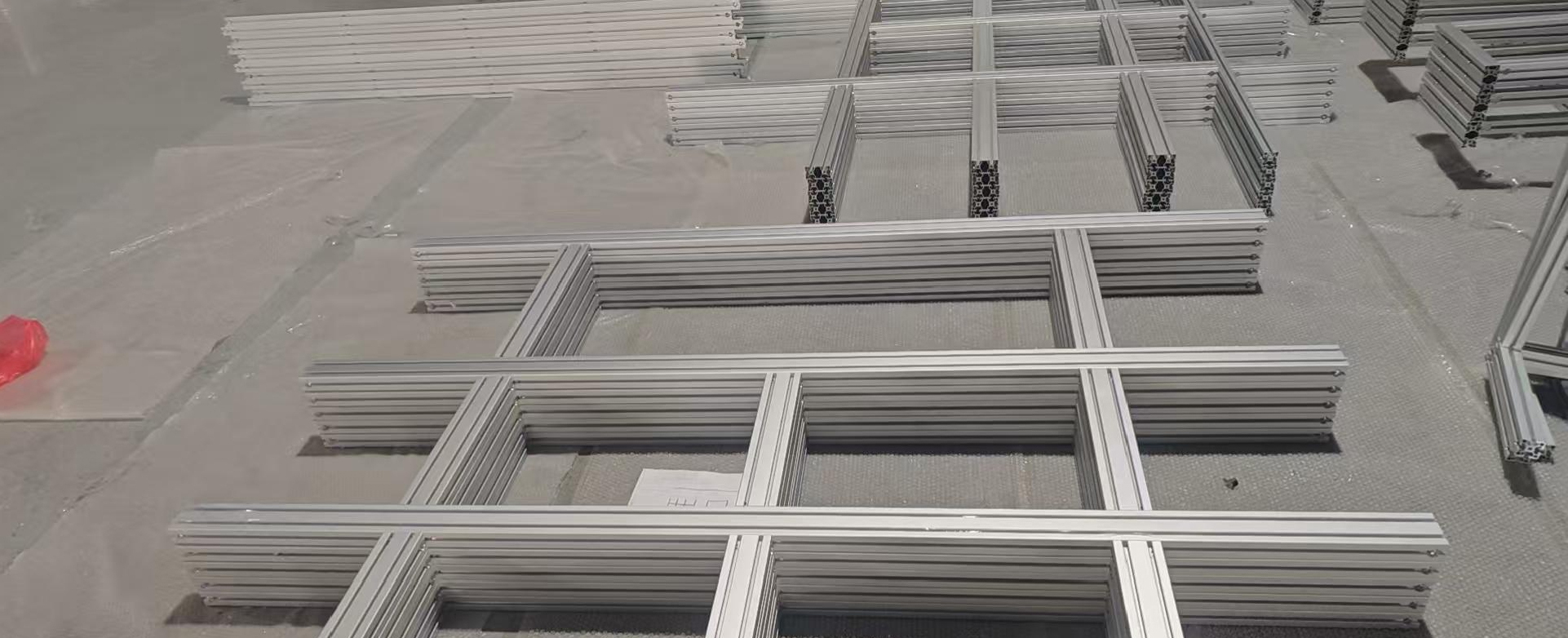
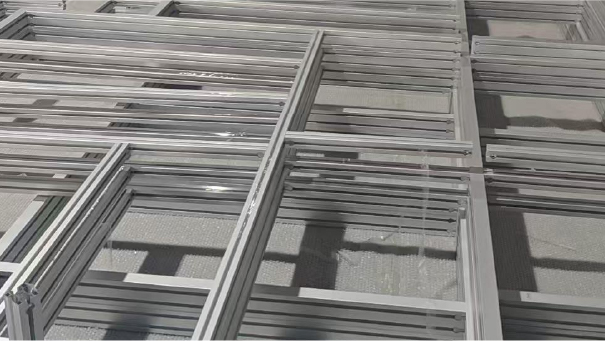
A transparent protection material only performs as intended when it fits the structure around it. Panel size, edge finishing, mounting method, sealing design, frame compatibility, and viewing position all affect how the material works in the final equipment environment.
For FLOMC, material selection does not end with the sheet. It continues into how the panel is fabricated, installed, sealed, cleaned, and used as part of a viewing window, protective cover, guarding panel, enclosure module, or cleanroom structure.
-

Material
Requirement- Protection risk
- Visibility need
- Cleaning condition
- Wavelength
- Static sensitivity
-

Panel
Configuration- Thickness
- Coating
- Edge finishing
- Cutting
- Forming
- Sealing consideration
-

Thickness
Coating- Viewing window
- Machine guard
- Enclosure panel
- Cleanroom partition
- Laser protection area
Seeing Safely
Grounded in Real Equipment Use
In real equipment environments, a transparent panel is judged after it is installed: how it stays clear, fits the frame, withstands cleaning, supports safe viewing, and remains usable during daily operation.
FLOMC brings material base, coating and fabrication routes, and equipment-environment experience into the same decision, so each panel is selected with its final structure and use condition in mind.
-
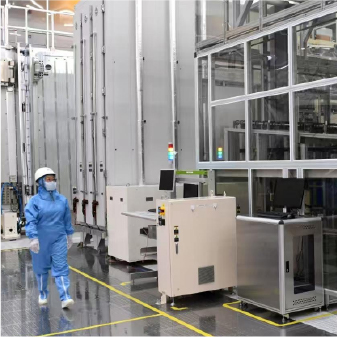
Turnkey Proje
-
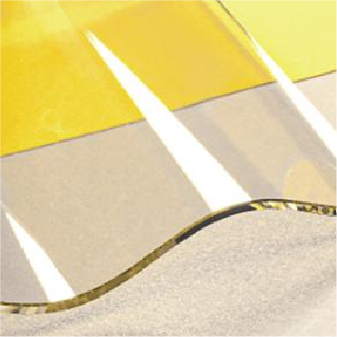
Surface Performance Technology
-
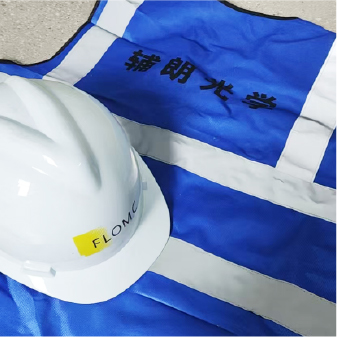
Field Installation
-
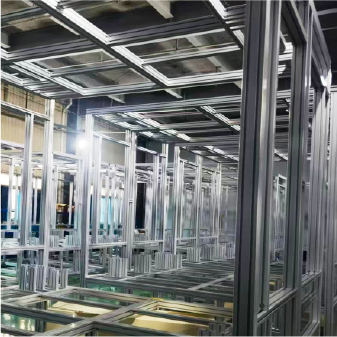
Equipment Protection Structures
-
Turnkey Proje
-
Surface Performance Technology
-
Field Installation
-
Equipment Protection Structures
FINAL CTA
Start with Your Equipment Environment
FLOMC can support your project from material selection, surface performance, panel processing, and structural development to OEM integration and installed-site adaptation.
Share the equipment context, viewing requirement, protection concern, or existing structure you are working with. We can help define the next practical direction.