All of our laser safety training is now available online

Protective performance
Optical Density in Laser Safety Panel Selection
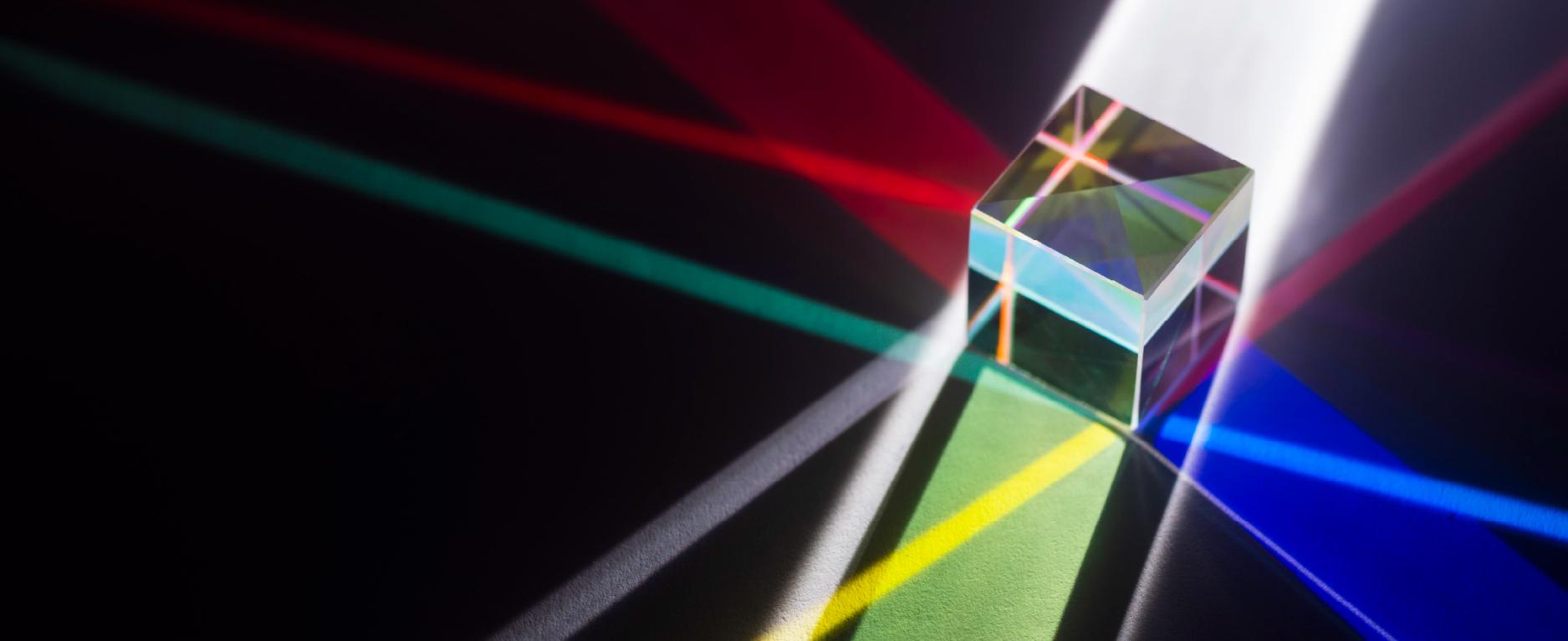
Optical density is one of the key values used to define laser protection performance at a specified wavelength range. In laser safety panel selection, OD should be reviewed together with wavelength, visibility, panel color, material structure, and final use conditions.
Protection
The Role of OD in Laser Protection

Optical density describes how strongly a laser safety panel reduces hazardous laser radiation at a defined wavelength or wavelength range. A higher OD value means stronger attenuation, but only within the protection band where the panel has been tested or specified.
For laser safety panels, OD is not a decorative color value or a general statement of darkness. It is part of the protection basis that helps determine whether a panel can be considered for a laser viewing window, enclosure panel, protective door, or guarding structure.
OD matters because laser protection must be tied to measurable attenuation, not appearance alone. It gives users a starting point for protection review before visibility, panel color, material behavior, and installed structure are considered together.
Specific wavelength
OD Values Belong to Specific Wavelengths
An OD value only has meaning when it is connected to a defined wavelength or wavelength range. A panel marked with OD 6 at one wavelength range may not provide the same protection at another range unless that protection band is also tested or specified.
This is why laser safety panel selection begins with the laser source. Fiber lasers, CO₂ lasers, diode lasers, UV lasers, and other systems may operate at different wavelengths and require different protection directions.
Before reviewing color, visibility, thickness, or structure, the wavelength range must be identified clearly. OD and wavelength work together as the first technical basis for selecting a suitable laser safety panel.
Laser safety panel selection
Balancing Protection Level and Actual Usability
Higher OD Does Not Always Mean Better Selection
A higher OD value can provide stronger attenuation within the specified wavelength range, but it is not always the most suitable selection on its own. Laser safety panel performance also depends on how the panel will be viewed through, installed, cleaned, and used inside the protective structure.
In some applications, unnecessarily high OD may reduce visible light transmission, darken the viewing area, or affect how clearly operators can observe the process. Protection must come first, but practical visibility still matters when a panel is used for viewing, monitoring, inspection, or alignment.
A suitable selection balances required protection with usable visibility and real installation conditions. OD should guide the protection level, not replace the full panel selection process.
Higher OD Does Not Always Mean Better Selection
A higher OD value can provide stronger attenuation within the specified wavelength range, but it is not always the most suitable selection on its own. Laser safety panel performance also depends on how the panel will be viewed through, installed, cleaned, and used inside the protective structure.
In some applications, unnecessarily high OD may reduce visible light transmission, darken the viewing area, or affect how clearly operators can observe the process. Protection must come first, but practical visibility still matters when a panel is used for viewing, monitoring, inspection, or alignment.
A suitable selection balances required protection with usable visibility and real installation conditions. OD should guide the protection level, not replace the full panel selection process.
Higher OD Does Not Always Mean Better Selection
A higher OD value can provide stronger attenuation within the specified wavelength range, but it is not always the most suitable selection on its own. Laser safety panel performance also depends on how the panel will be viewed through, installed, cleaned, and used inside the protective structure.
In some applications, unnecessarily high OD may reduce visible light transmission, darken the viewing area, or affect how clearly operators can observe the process. Protection must come first, but practical visibility still matters when a panel is used for viewing, monitoring, inspection, or alignment.
A suitable selection balances required protection with usable visibility and real installation conditions. OD should guide the protection level, not replace the full panel selection process.
-
OD Isn't Everything

-
Visibility Still Counts

-
Multi-Band Protection

parameter
OD as Part of the Final Panel Direction
OD is one of the first values to review, but it becomes meaningful only when placed inside the full panel direction. The final selection depends on wavelength range, required attenuation, visible light transmission, panel color, material base, thickness, surface condition, and installation structure.
For FLOMC polycarbonate laser safety panels, OD review is connected with how the panel will be used: whether it is part of a laser viewing window, enclosure door, guarding panel, processing cell, or custom protective structure.
| Selection Factor | Review Focus |
|---|---|
| Laser source | Laser type and wavelength range |
| Required OD | Attenuation level at the specified wavelength |
| Single-band or dual-band need | Whether protection is required in one or more defined wavelength ranges |
| Viewing condition | Observation role, lighting condition, visible light transmission, and panel color |
| Material base | Polycarbonate laser safety panel route |
| Panel format | Thickness, size, edge finishing, and structure fit |
| Installed use | Window, enclosure, door, guard, processing cell, or custom protective structure |
Technical Analysis
Related Guides for Laser Panel Selection
OD is only one part of laser safety panel selection. These related topics can help review wavelength matching, protection standards, visibility trade-offs, material behavior, and final panel use in more detail.
-
Choosing Protection by WavelengthA guide to matching laser safety panels with wavelength ranges, laser types, and application conditions.PreviewDOWNLOAD
-
EN 12254 and EN 207 in Laser ProtectionUnderstand how common laser protection standards relate to panels, windows, and protective use.PreviewDOWNLOAD
-
Balancing OD, Visibility, and Panel ColorReview how protection level, visible light transmission, color, and viewing comfort work together.PreviewDOWNLOAD
-
Laser Safety Windows vs Protective PanelsClarify how sheets, panels, windows, glazing, and installed protective structures differ in selection.PreviewDOWNLOAD
FAQS
Optical Density and Laser Safety Panel Selection
Does one OD value apply to all laser wavelengths?
No. OD values belong to specific wavelengths or wavelength ranges. A panel that provides strong attenuation at one wavelength may not provide the same level of protection at another. Before selecting a laser safety panel, the actual operating wavelength and required OD range should be confirmed.
Is a higher OD value always the better choice?
No. OD values belong to specific wavelengths or wavelength ranges. A panel that provides strong attenuation at one wavelength may not provide the same level of protection at another. Before selecting a laser safety panel, the actual operating wavelength and required OD range should be confirmed.
What information is helpful when reviewing an OD requirement?
No. OD values belong to specific wavelengths or wavelength ranges. A panel that provides strong attenuation at one wavelength may not provide the same level of protection at another. Before selecting a laser safety panel, the actual operating wavelength and required OD range should be confirmed.
Can one laser safety panel support multiple wavelength ranges?
No. OD values belong to specific wavelengths or wavelength ranges. A panel that provides strong attenuation at one wavelength may not provide the same level of protection at another. Before selecting a laser safety panel, the actual operating wavelength and required OD range should be confirmed.
Does OD selection replace a laser safety assessment?
No. OD values belong to specific wavelengths or wavelength ranges. A panel that provides strong attenuation at one wavelength may not provide the same level of protection at another. Before selecting a laser safety panel, the actual operating wavelength and required OD range should be confirmed.
FINAL CTA
Start with Your Equipment Environment
FLOMC can support your project from material selection, surface performance, panel processing, and structural development to OEM integration and installed-site adaptation.
Share the equipment context, viewing requirement, protection concern, or existing structure you are working with. We can help define the next practical direction.