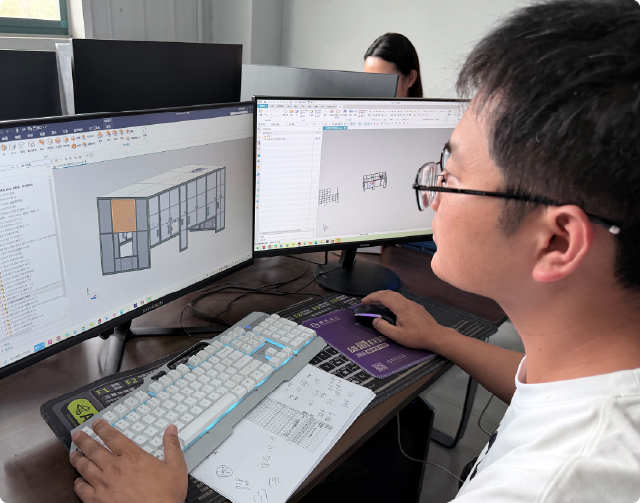
All of our laser safety training is now available online

Rigorous verification
Laser Safety Panels Proven in Demanding Laser Environments
Compliance is only the starting point for laser protection. In demanding laser equipment and processing environments, a safety panel must continue to protect, remain visible, fit the structure, and perform reliably through real use.
FLOMC Laser Safety Panels are developed for this level of use — where wavelength-specific protection, stable viewing, and equipment-ready reliability must earn recognition through repeated operation, not just initial specification.
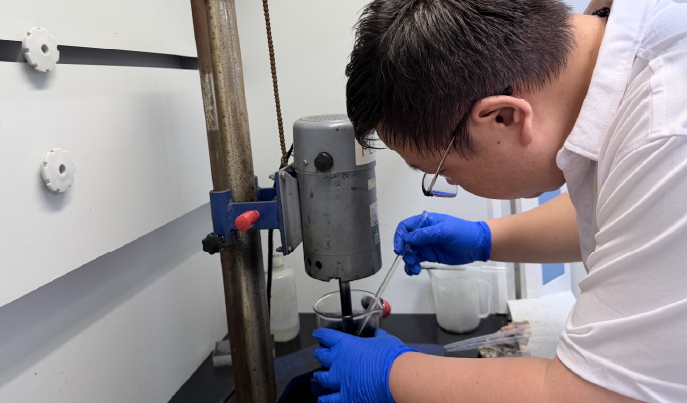
Testing Practice
Certified Protection Starts with Tested Data

A laser safety panel cannot be defined by color, thickness, transparency, or material name alone. Its protection must be supported by tested wavelength coverage, optical density levels, applicable standards, and suitable use conditions.
These data points form the compliance foundation before a panel enters a laser viewing window, enclosure panel, protective door, machine guarding area, or other laser protection structure.
Suggested Data Strip
Wavelength Range · Optical Density / OD · Applicable Standard · Material & Thickness · Use Condition
Practical Applications
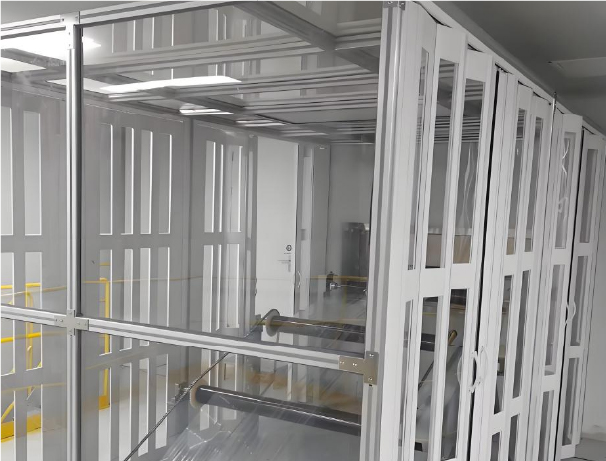
From Compliance to Proven Use
Compliance gives the panel a verified entry point into laser equipment and processing environments. But real laser environments continue the test.
Through repeated use, a panel must keep protecting, remain visible, fit the structure, withstand cleaning and heat influence, and perform reliably inside the final protective system.
For FLOMC, proven use is not treated as a final claim. It becomes part of how we understand laser protection panels — and part of the path that keeps the product moving forward.
Deep needs
Repeated Use Surfaces Deeper Demands
Repeated use surfaces deeper demands for laser safety panels. Beyond wavelength matching and OD requirements, panels must remain visible, manage heat, fit the structure, withstand cleaning, and perform reliably inside laser equipment and processing environments.
These demands often become clearer after panels move into viewing windows, enclosure doors, machine guarding areas, processing cells, and protective structures where safety, visibility, and long-term use must hold together.
-

Protection and Visibility
Required protection must work together with usable observation for alignment, inspection, process monitoring, or daily operation.
-

Multi-Wavelength Conditions
Protection must work with the full range of laser wavelengths to maintain consistent performance across different laser types and applications.
-

Heat and Stability
Heat exposure and temperature fluctuations must not degrade protection or viewing clarity over time.
-

Structure and Installation
The panel must fit the structure, withstand cleaning, and be installed correctly to maintain protection and visibility over time.
-

Cleaning and Long-Term Use
The panel must withstand cleaning and remain visible over time to maintain protection and visibility.
Continuous Improvement
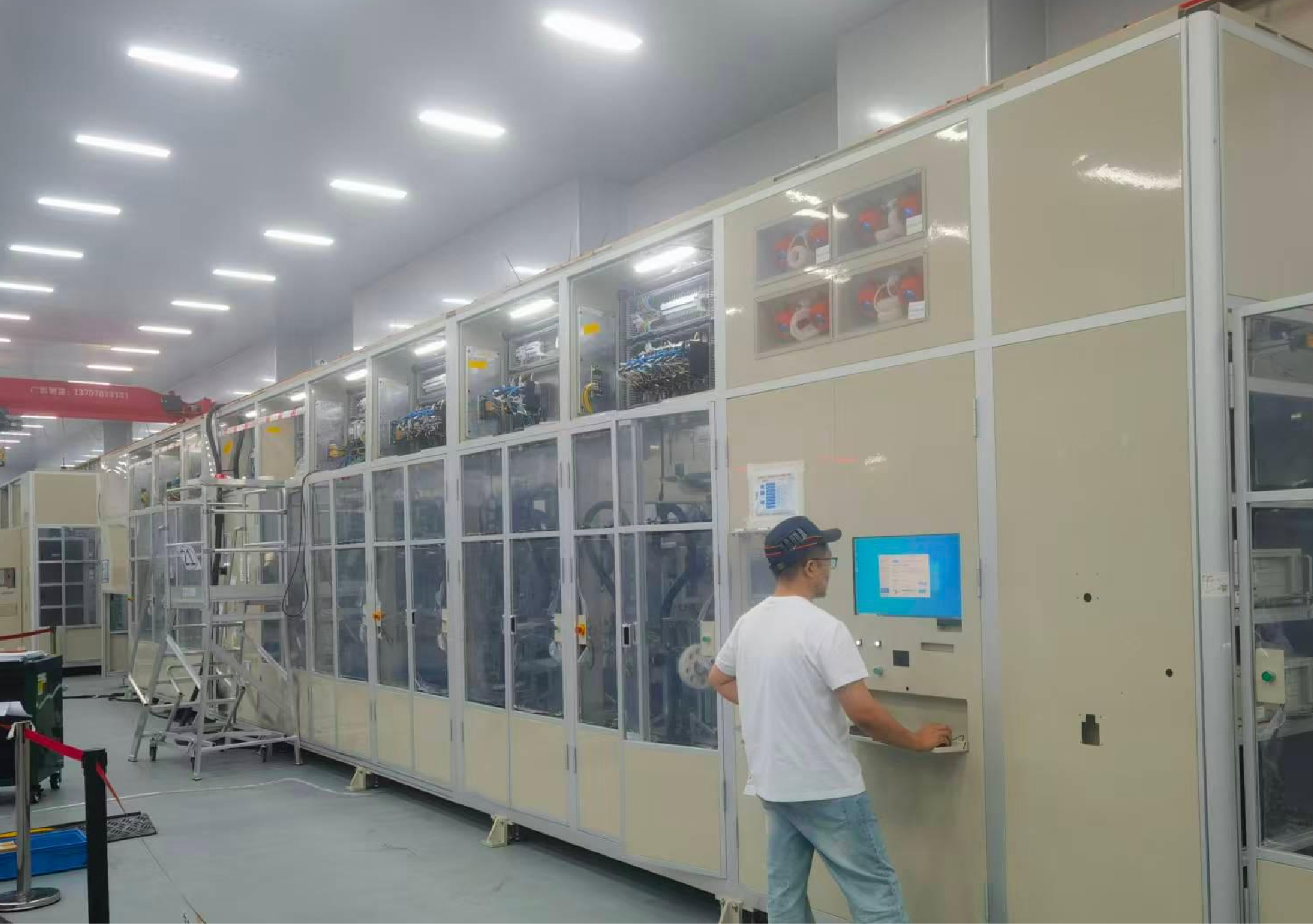
Continued Refinement in Laser Protection
The demands found in repeated laser use continue to shape how FLOMC Laser Safety Panels are refined. As panels move through equipment manufacturing, processing environments, and protective structures, refinement cannot stop at meeting a standard once. Protection, visibility, heat response, wavelength coverage, and structure-ready performance must be considered together. The direction is clear: laser safety panels should become safer, clearer, and more dependable in the environments where they are actually used.
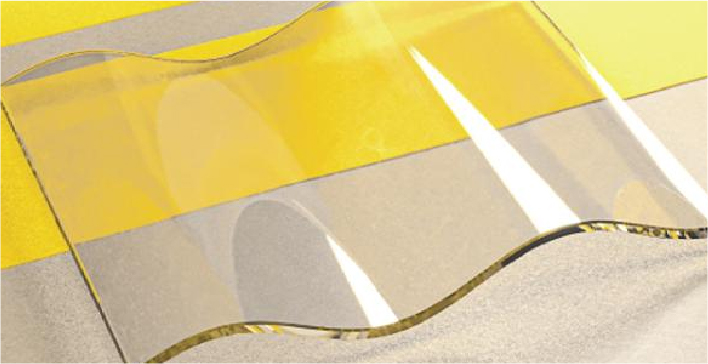

Laser Protection Panels
Continued attention to heat behavior, ignition risk, and demanding operating conditions.
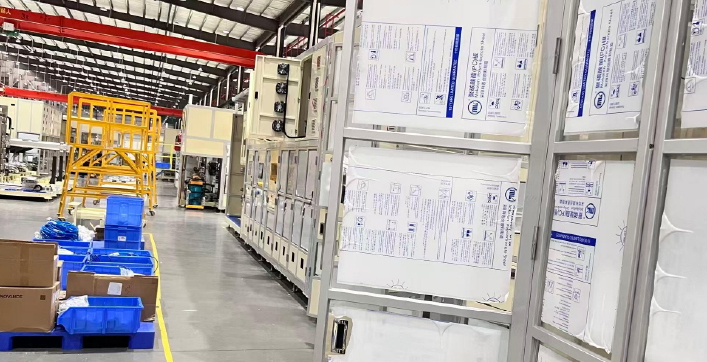

Broader Wavelength Coverage
Refinement around more complex wavelength requirements, including broader or combined protection ranges.
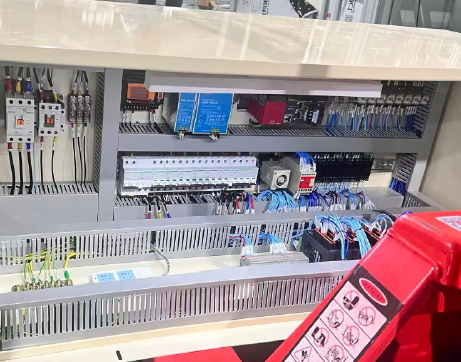

Visible Light Transmission
Balancing protection with usable visibility, so safety does not unnecessarily reduce observation.
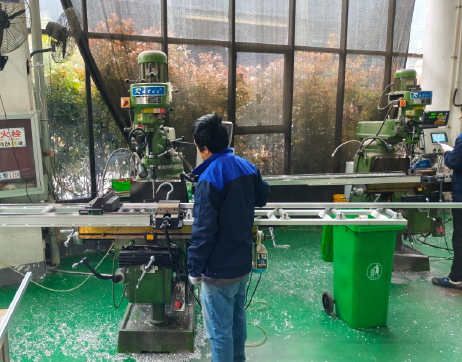

Thermal
Stability
Attention to heat management, dimensional behavior, and long-term panel stability under repeated or high-energy laser exposure.

Structure-Ready Performance
Refinement considered together with fabrication, mounting, sealing, cleaning, and long-term use inside protective structures.
Parameter
Wavelength-Specific Protection Options
Laser safety panel selection begins with the laser source and the viewing condition. Wavelength range, optical density, visible light transmission, panel color, material base, thickness, and final installation structure all influence the suitable protection direction.
FLOMC currently provides polycarbonate laser safety panel options across selected wavelength ranges, with OD levels, color choices, size formats, and surface configurations that can be reviewed according to the application.
| Selection Factor | What to Review | Why it Matters |
|---|---|---|
| Why it matters | Laser source and protection band | The panel must match the wavelength range of the laser system. |
| Optical density / OD | Required attenuation level | OD defines how strongly the panel reduces hazardous laser radiation. |
| Visible light transmission | Viewing usability | Higher protection may affect visibility, so observation needs must be considered. |
| Panel color | Visual comfort and wavelength coverage | Color often relates to protection range and how the viewing area appears. |
| Material base | Polycarbonate | Material affects strength, fabrication, impact behavior, and application fit. |
| Thickness and size | Final panel format | The panel must fit the window, enclosure, door, guard, or custom structure. |
| Surface configuration | Coating or surface treatment needs | Scratch resistance, cleaning behavior, and surface durability may affect long-term use. |
Technical Note
For deeper selection details, see our guides on optical density, wavelength selection, and OD, visibility, and panel color balance.
Protective structure
From Safety Panels to Protective Structures
A laser safety panel reaches its full value only after it becomes part of the final protective structure. Panel size, edge finishing, mounting method, frame compatibility, sealing condition, and viewing position all affect how protection and visibility perform in real use.
FLOMC supports laser safety panels for viewing windows, enclosure panels, protective doors, machine guarding areas, processing cells, and equipment-integrated shielding structures.
-
Enclosure Panels
For laser equipment housings, protective rooms, modular enclosures, or machine-integrated shielding areas.
-
Access Points
For access points where the panel must support both protection and operational visibility.
-
Laser Viewing Windows
For protected observation into laser processing, alignment, inspection, or monitoring areas.
-
Enclosure Panels
For laser equipment housings, protective rooms, modular enclosures, or machine-integrated shielding areas.
-
Access Points
For access points where the panel must support both protection and operational visibility.
-
Laser Viewing Windows
For protected observation into laser processing, alignment, inspection, or monitoring areas.
Technical Analysis
Technical Tops for Deeper Selection
Some laser protection decisions require deeper technical review. These guides explain optical density, wavelength selection, standards, material choices, and visibility trade-offs in more detail.
FAQS
Questions That Shape Panel Selection
Before a laser safety panel is selected, several questions help define the right protection direction. They are not only about OD value, but also about wavelength, visibility, structure, and use conditions.
Are laser safety panels selected only by OD value?
No. OD values belong to specific wavelengths or wavelength ranges. A panel that provides strong attenuation at one wavelength may not provide the same level of protection at another. Before selecting a laser safety panel, the actual operating wavelength and required OD range should be confirmed.
Can FLOMC panels be used for laser viewing windows and enclosure panels?
No. OD values belong to specific wavelengths or wavelength ranges. A panel that provides strong attenuation at one wavelength may not provide the same level of protection at another. Before selecting a laser safety panel, the actual operating wavelength and required OD range should be confirmed.
How does FLOMC balance protection and visibility?
No. OD values belong to specific wavelengths or wavelength ranges. A panel that provides strong attenuation at one wavelength may not provide the same level of protection at another. Before selecting a laser safety panel, the actual operating wavelength and required OD range should be confirmed.
How does FLOMC balance protection and visibility?
No. OD values belong to specific wavelengths or wavelength ranges. A panel that provides strong attenuation at one wavelength may not provide the same level of protection at another. Before selecting a laser safety panel, the actual operating wavelength and required OD range should be confirmed.
Can FLOMC support special laser protection requirements?
No. OD values belong to specific wavelengths or wavelength ranges. A panel that provides strong attenuation at one wavelength may not provide the same level of protection at another. Before selecting a laser safety panel, the actual operating wavelength and required OD range should be confirmed.
FINAL CTA
Start with Your Equipment Environment
FLOMC can support your project from material selection, surface performance, panel processing, and structural development to OEM integration and installed-site adaptation.
Share the equipment context, viewing requirement, protection concern, or existing structure you are working with. We can help define the next practical direction.